Getting three quotes for electrical work is good practice. Knowing how to read those quotes is what actually protects you from hiring the wrong contractor or agreeing to incomplete scope. An electrical quote has several distinct components — equipment, labor, permits, and conditions — and the way each is written tells you a lot about the contractor's professionalism, their understanding of the project scope, and their pricing model. This guide walks through every element of a complete electrical quote for common projects: panel upgrades, EV charger installations, and circuit additions. You will know exactly what questions to ask, which vague terms are negotiating leverage, and how to verify the credentials of any licensed electrician before handing over a deposit.
What a Complete Electrical Quote Should Include
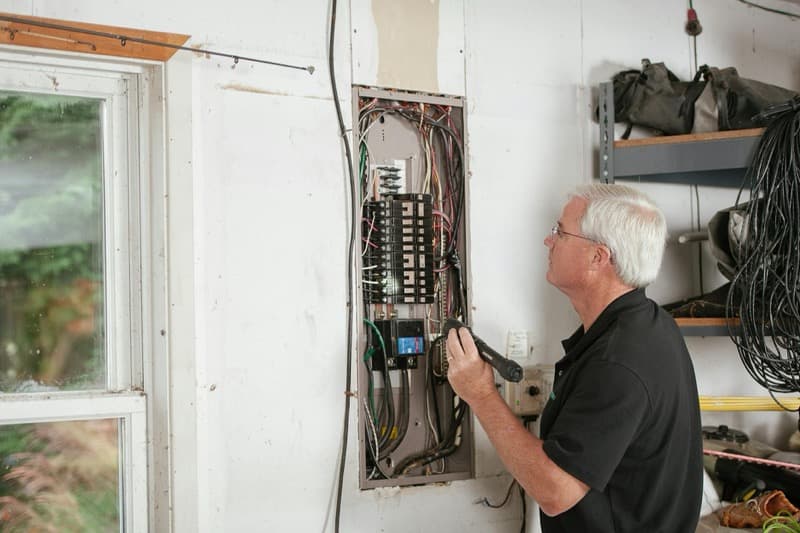
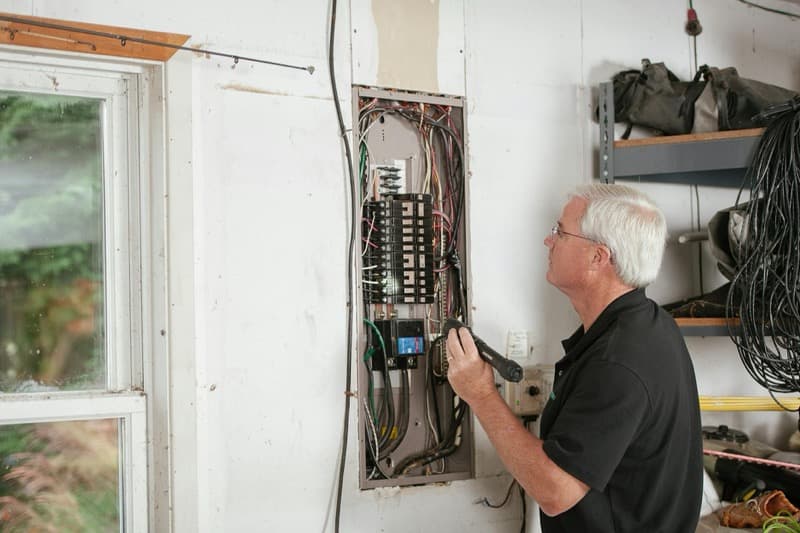
A professional electrical contractor should provide a written quote (not a verbal estimate) that includes: the project address and scope description, a specific equipment list with brands and models, labor hours or a flat labor amount, permit and inspection fees, utility coordination costs (for panel work), a payment schedule, a start date and estimated completion date, a workmanship warranty period, and the contractor's license number. A quote that says 'electrical panel upgrade — $2,800' without further detail is not adequate. You cannot verify what panel brand they plan to install, whether permits are included, whether the utility disconnect is included, or what happens if service entrance work is needed. Every vague quote is an opportunity for scope creep — costs added after the fact for 'additional work' that a clear scope would have included or excluded.
Red Flags in an Electrical Quote
- No license number on the quote — licensed electricians must include it on all contracts in most states
- No permit fee line item — this means permits may not be planned, or they are being added as a surprise later
- Request for 100% payment upfront — standard is 30–50% deposit, balance on completion
- No specific panel brand or model — lets them install the cheapest option without your knowledge
- Verbal quote only — nothing in writing is a major risk
- Price 30%+ below all other quotes — usually means cut corners, unlicensed crew, or missing scope
- No workmanship warranty mentioned — professional electricians typically offer 1-year warranties
- Offer to skip permits to 'save money' — this is a legal and insurance risk, not a benefit
How to Verify an Electrician License
Every state requires electrical contractors to hold a state license. Most also require the individual electricians working on site to be licensed (as master or journeyman electricians). The easiest way to verify: ask for the license number and look it up online. Texas: TDLR (tdlr.texas.gov/LicenseSearch/) — search by license number or business name. Active license, license type (Electrical Contractor, Master Electrician, Journeyman), expiration date, and any disciplinary history are all visible. California: CSLB (cslb.ca.gov/OnlineServices/CheckLicenseII/CheckLicense.aspx) — search by contractor name or license number. Florida: DBPR (myfloridalicense.com) — search Electrical Contractor. New York City: DOB (a310.nyc.gov/ecb/VisitTicketSearch.do). Illinois: IDFPR (idfpr.illinois.gov). For other states, Google '[state name] electrical contractor license lookup.' The lookup takes 5 minutes and confirms the contractor is legitimate. Always verify; never assume.
What Fair Pricing Looks Like for Common Projects
Electrical pricing varies significantly by market. The following ranges represent national averages in 2026; high-cost markets (NYC, LA, San Francisco, Seattle, Chicago) typically run 30–50% higher than these figures. Service call and diagnostic: $75–$150 trip charge plus $50–$100/hour. Outlet addition (new circuit from panel): $250–$500. GFCI outlet replacement: $75–$150 per outlet. Circuit breaker replacement: $150–$250. Panel upgrade, 100A to 200A (includes permit, utility disconnect, standard service): $1,800–$3,500. Panel upgrade with service entrance replacement: $3,000–$5,500. EV charger installation (Level 2, within 20 feet of panel, no panel upgrade needed): $500–$1,200. EV charger with panel upgrade: $2,500–$5,500. Whole-home rewire (1,500 sq ft): $8,000–$14,000. Generator and transfer switch installation (standby, 18 kW): $8,000–$13,000. Use these ranges as a sanity check — a quote significantly below the low end warrants investigation.
Payment Schedule and Contract Terms
A reasonable payment schedule for electrical work: 30% deposit at contract signing (covers materials), 30% at rough-in completion (circuits run, before walls are closed), 40% at final completion and after the permit inspection passes. Never pay more than 50% before work begins, and never pay the final balance before the permit inspection passes and you have verified all work items are complete. The contract should include a change order process — any scope additions require written approval before work proceeds. A reputable contractor will not pressure you to approve verbal change orders. The contract should also specify who is responsible for patching drywall if wall access is needed — either the electrician includes drywall patching in their scope, or they specify that you are responsible for contracting that separately.
Certificate of Insurance Check: Before any electrician starts work on your property, ask for a Certificate of Insurance (COI) naming you as an additional insured. The COI should show at minimum $1 million general liability coverage and workers compensation. Call the insurance company on the certificate to verify the policy is active — certificates can be forged. An electrician who cannot provide a current COI on request should not be on your property.
Questions to Ask Every Electrician Before Hiring
Beyond reviewing the quote itself, the following questions reveal a contractor's professionalism and fit for your project. First: Who will actually be doing the work — you, or your employees? This matters because some contractors quote jobs and then subcontract them to uncredentialed workers. Second: What panel brand and model are you planning to install? A knowledgeable electrician answers immediately and can explain why. Third: Is the permit included in your quote, and are you handling the utility disconnect coordination? These should be automatic yeses. Fourth: What is your workmanship warranty? One year is standard; two years is excellent. Fifth: Can you provide three references for similar projects in the last 12 months? Legitimate contractors have them. Sixth: What is your process if additional work is discovered once the project starts? You want a clear written change order process, not verbal add-ons.