New markets now open in Texas, Florida & California →
ProvenQuote · Electrical Section

Electrical - Guides, Tools & Licensed Electricians Near You

Everything homeowners need to know about electrical work - from panel upgrades and EV charger installation to aluminum wiring hazards, permits, generator installation, and finding a licensed electrician in your city.

Enter your city or ZIP code to find a licensed electrical professional near you

$250B+
US electrical contractor market
3M+
EV chargers expected to be installed by 2030
30%
Federal IRA tax credit for EV charger & panel upgrades
51M+
US homes with panels under 200 amps needing an upgrade
Quick AnswerA 200-amp panel upgrade costs $1,500-$4,000 depending on your city and permit complexity. EV charger installation qualifies for a 30% federal IRA tax credit (up to $1,000). Homes built before 1973 may have aluminum wiring - a fire hazard that requires a licensed electrician to assess.

National Pricing

Electrical Cost Guide

National averages - enter your city for local market pricing.

Full cost guide →
Project TypeLowHighTypical Avg
Panel Upgrade (100A → 200A)$1,500$4,000$2,500
EV Charger Installation (Level 2)$400$1,500$900
Outlet / GFCI Installation$100$350$200
Ceiling Fan Installation$100$350$200
Whole-Home Rewire (2,000 sq ft)$8,000$20,000$13,000
Generator Installation (standby)$3,500$12,000$7,000
Lighting Installation (per fixture)$75$250$140
Emergency Electrical (after hours)$200$600$400
Electrical Inspection (written report)$150$400$250

Installed cost includes labor, materials, and permit fees for a standard single-family home. High-cost markets (New York, Los Angeles, San Francisco, Seattle) run 20-40% above these national averages.

Get local pricing for your city

National averages don't tell you what contractors in your market are charging. Enter your city to see hub-specific pricing.

DIY Reference

Seasonal HVAC Checklist

Quick maintenance steps every homeowner can do before each season to keep their system running well.

☀️

Before Summer (April-May)

  • Test GFCI outlets (pool, outdoor, kitchen, bath)
  • Clear 3ft around outdoor panel and generator
  • Check AC circuit breaker - note any warm or humming breakers
  • Inspect outdoor lighting fixtures for pest or moisture intrusion
❄️

Before Winter (October-November)

  • Test generator monthly - run under load for 30 minutes
  • Inspect heat tape wiring on exposed pipes (Northern climates)
  • Test hardwired smoke and CO detectors
  • Schedule pre-holiday electrical inspection if home is over 25 years old

ProvenQuote Tools

Electrical Tools & Calculators

Free calculators - estimate costs, plan materials, assess damage, and understand insurance before talking to a contractor.

All 5 tools →

Coverage & Claims

Electrical Insurance & Coverage Requirements

Homeowner insurance typically covers sudden electrical damage - lightning strikes, power surges, and accidental shorts. However, it excludes wear-and-tear failures, outdated wiring (knob-and-tube, aluminum), and code upgrades required after a claim. Some insurers will not cover homes with Federal Pacific or Zinsco panels at any price.

  • Covered: lightning damage, accidental power surges, sudden wiring failures
  • Not covered: wear-and-tear, code upgrades, outdated wiring maintenance
  • Knob-and-tube or aluminum wiring: many insurers require remediation before issuing or renewing coverage
  • Federal Pacific / Zinsco panels: some carriers refuse coverage or charge significantly higher premiums
  • Document your electrical system with an inspection report - supports future insurance claims
Read the full electrical insurance & code compliance guide →

Panel Brand Red Flags

Federal Pacific Stab-Lok

Used in millions of homes built 1950s-1980s. Breakers documented to fail to trip under overload - creating silent fire risk. Many insurers refuse coverage or require replacement. A licensed electrician can inspect and quote replacement.

Zinsco / Sylvania GTE

Panels manufactured before 1983 that have documented breaker failure and overheating issues. Similar insurance implications to Federal Pacific. If you have a Zinsco panel, budget for replacement and get quotes before your next policy renewal.

Check your policy declarations page to confirm your coverage type before filing any claim.

Weather Intelligence

Storm Surge, Outages & Electrical Emergency Demand

Lightning strikes and power surges are the top electrical storm hazards - whole-home surge protectors cost $250-$500 installed and protect all connected appliances. Generator installation demand spikes dramatically after prolonged outages from hurricanes and ice storms, with 4-8 week contractor backlogs common after major events.

Power SurgeLightning StrikeGenerator EmergencyGrid OutageIce StormHurricane DamageWildfire PSPS
Houston MetroUnited States
Activity: Extreme

Hurricanes + grid failures. February 2021 ERCOT grid collapse left 4.5M homes without power. Generator demand surges with every named storm. EV charger installation also growing rapidly.

Tampa / OrlandoUnited States
Activity: Extreme

Highest lightning density in the US. Direct strikes and surge damage peak June-September. Generator installation demand also spikes post-hurricane. Whole-home surge protectors are standard practice.

New Orleans MetroLouisiana
Activity: High

Hurricane Ida left 1M+ without power for weeks. Standby generator and transfer switch installations are near-mandatory in this market. High humidity also causes rapid outdoor panel and service entrance corrosion.

Raleigh / CharlotteNorth Carolina
Activity: High

Ice storms cause multi-day outages each winter. Generator and transfer switch installations spike after each event. Aluminum wiring is common in 1960s-70s suburban homes.

Chicago MetroIllinois
Activity: Moderate-High

Polar vortex events cause sustained outages. Older pre-1960s electrical infrastructure in Chicago bungalows adds risk. Knob-and-tube wiring is common in Logan Square, Pilsen, and Bridgeport neighborhoods.

Los AngelesCalifornia
Activity: Moderate-High

Wildfire-related public safety power shutoffs (PSPS) drive battery backup and generator demand in wildfire zones. Solar + battery storage driving very high panel upgrade volume in LADWP and SCE territory.

Ontario / QuebecCanada
Activity: High

Ice storms cause catastrophic multi-week outages. The 1998 Ice Storm remains Canada's costliest insurance disaster. Generator demand and electrical repair work spike every winter across Ontario and Quebec.

Australian East CoastAustralia
Activity: High

Queensland cyclones and NSW/VIC extreme heat events drive surge demand for emergency electricians. High solar + battery adoption across all major metro areas is driving switchboard upgrade demand.

Coming Soon

Live Electrical Emergency Demand Alerts

Real-time demand surge tracking by ZIP code - mapped to ProvenQuote hub markets. Tracks generator installation backlogs, storm-related electrical damage, and panel failure spikes following extreme weather. Integrated with NOAA and utility outage data.

Terminology

Electrical Glossary

Key terms used by contractors, manufacturers, and insurers - explained plainly.

Amperage (Amps)
The measure of electrical current flowing through a circuit. Residential homes historically had 100-amp service; modern homes with EV chargers and solar need 200 amps minimum. The main breaker in your panel is labeled with the total amp capacity of your home's electrical service.
Circuit Breaker
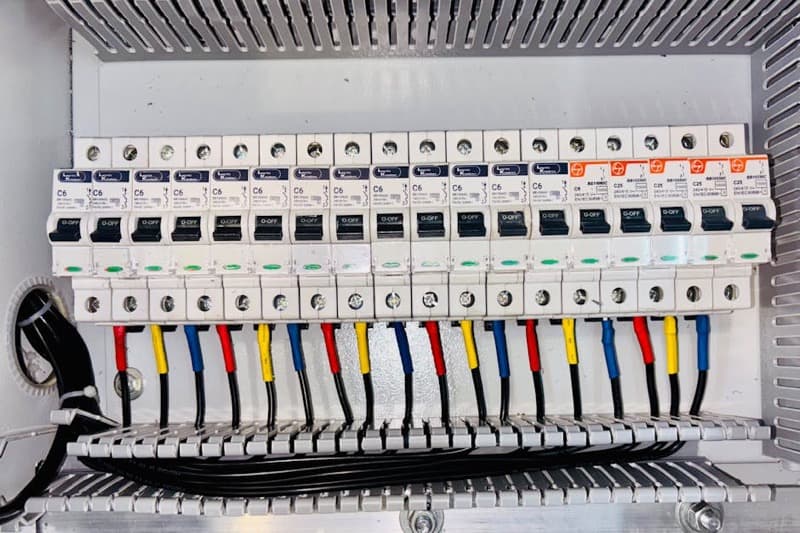
A resettable safety switch that automatically trips to interrupt current flow when a circuit is overloaded or shorts. Modern arc-fault circuit interrupters (AFCIs) also detect arcing - the cause of roughly 30,000 home fires annually. Never replace a tripping breaker with a higher-rated one without first finding the cause.
GFCI (Ground Fault Circuit Interrupter)
A specialized outlet or breaker that detects tiny current leaks to ground and cuts power in 1/40th of a second - fast enough to prevent electrocution. Required by NEC in all kitchens, bathrooms, garages, crawl spaces, unfinished basements, and outdoor locations. Press the Test button monthly - a GFCI that won't trip needs immediate replacement.
AFCI (Arc Fault Circuit Interrupter)
A circuit breaker that detects the electrical signature of arcing - intermittent sparking that occurs in damaged or deteriorated wiring before a fire starts. Required by NEC 2014+ in all bedroom circuits, and by NEC 2017+ in most living spaces. Essential in any home with aluminum wiring or wiring over 30 years old.
Level 2 EV Charger
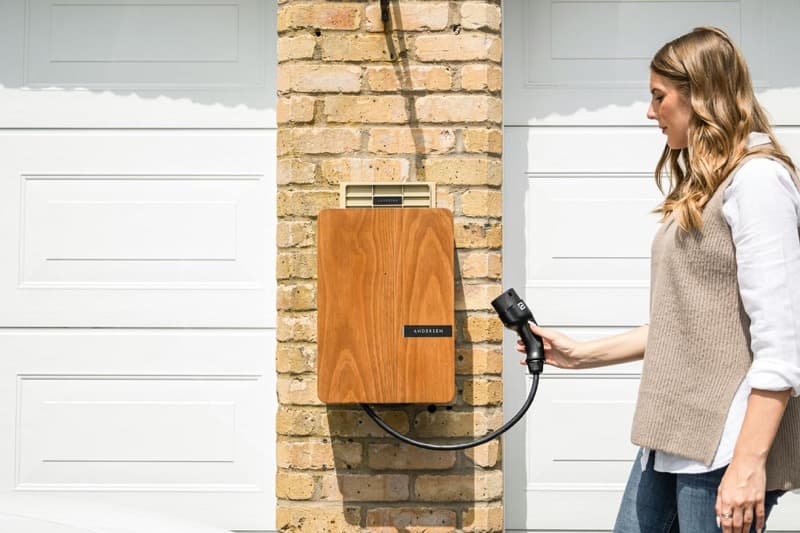
A 240-volt, 32-50-amp home electric vehicle charger that delivers 20-30 miles of range per hour of charging. Requires a dedicated 240V circuit installed by a licensed electrician. Qualifies for the 30% federal IRA tax credit (up to $1,000) through 2032, plus utility rebates. The vast majority of home EV chargers are Level 2.
Transfer Switch
A safety device required by code for any backup generator connection. Prevents back-feeding electricity into utility lines during an outage - which can electrocute utility workers. Manual transfer switches ($400-$900) require you to manually switch power sources. Automatic transfer switches (ATS, $1,500-$3,500) detect outages and switch to generator power within seconds.
NEC (National Electrical Code)
The National Electrical Code (NFPA 70) is the benchmark for safe electrical installation in the US, adopted (sometimes with local amendments) by most states. It is updated every 3 years. NEC 2020 and 2023 editions require AFCI protection on more circuits than earlier editions. Your local jurisdiction's adopted edition determines what is required for permitted work.
Knob-and-Tube Wiring
An early electrical wiring method used in US homes roughly 1880-1940. Individual wires run through ceramic knobs and tubes without a ground wire. Knob-and-tube is not inherently dangerous if unmolested, but it cannot safely support modern loads. Many insurers refuse coverage or charge higher premiums for homes with active knob-and-tube circuits. Full rewiring is the recommended solution.
Service Entrance
The conductors and equipment (mast, weatherhead, meter socket, service panel) that connect your home to the utility's power lines. Service entrance replacement is often required alongside a panel upgrade, and requires utility company coordination. In most jurisdictions, a licensed electrician must pull the permit and the utility must disconnect and reconnect service before and after the work.
EPA Section 608 (Electrical Context)
Not directly applicable to electrical work, but often confused: for HVAC work involving refrigerants, EPA 608 certification is required. For electrical specifically, the relevant credential is the state Electrical Contractor License (Master or Journeyman level). Always verify your electrician holds a current state license - not just a business license.

Questions & Answers

Electrical Questions Clients Ask Most

Detailed answers to the most-searched questions — cost, hiring, DIY limits, emergencies, and maintenance.

How much does it cost to upgrade an electrical panel?

Electrical panel upgrades cost $1,500–$4,000 for a standard 200-amp service upgrade, with the national average around $2,500. The cost range reflects the size of the upgrade, panel brand, local labor rates, and whether the utility company must upgrade the service entrance. **100-amp to 200-amp upgrade:** $1,800–$3,500. Most common upgrade in older homes that still have 100-amp panels (typically pre-1980s construction). 200-amp service is the current standard for a modern household. **200-amp to 400-amp upgrade:** $3,000–$6,000. Required for homes with large EV charger demands, whole-home generators, extensive workshop equipment, or large homes with multiple HVAC systems. Requires the utility to upgrade the service entrance, which they typically do at no charge but on their schedule (1–4 weeks). **New subpanel installation:** $500–$1,500 for a subpanel added to an existing main panel, used for garages, additions, or workshops. Less expensive than main panel upgrades. **What the cost includes:** Labor, new panel box and breakers, permit filing and city inspection, and connection to the existing service entrance. It does not typically include utility-side work (meter pan upgrade, service drop upgrade), which the utility handles separately. **Hidden costs to budget for:** Permit fees ($50–$200), required arc-fault (AFCI) breaker upgrades on affected circuits, replacing outdated wiring connected to the new panel, and utility scheduling delays. **Why get quotes from multiple electricians:** Panel upgrade pricing varies significantly — sometimes 40–60% — between electricians in the same market. Get at least 3 written quotes specifying the panel brand (Square D, Siemens, Eaton, and Leviton are preferred; avoid Federal Pacific and Zinsco panels).

When do I need a 200-amp panel?

A 200-amp electrical service panel is the standard for modern residential construction and is required (or strongly recommended) in most situations involving a new home, significant addition, or electrical upgrade. **When 200-amp service is required or necessary:** **New construction:** Every new single-family home built in the US is wired with 200-amp service as the base standard. Most model codes (NEC 2020+) require 200 amps as the minimum for new residential construction. **EV charger installation:** A Level 2 EV charger (240V, 40–50 amps) is often the trigger for a panel upgrade. Homes with 100-amp service simply don't have the spare capacity for a dedicated 40–50-amp EV circuit plus normal household loads. Most electricians recommend upgrading to 200 amps before adding an EV charger if you're currently at 100 amps. **Home additions over 500 sq ft:** Additions with an HVAC zone, kitchen, or multiple new circuits will exceed a 100-amp panel's capacity. **Multiple large appliances:** A 200-amp service supports: central AC (20–40 amps), electric range (40–50 amps), electric dryer (30 amps), water heater (20–30 amps), and still leaves plenty of headroom. A 100-amp panel is strained by this combination. **Home with electric heat:** Electric baseboard or heat pump heating is highly load-intensive. A 100-amp panel is insufficient for most electrically heated homes in cold climates. **How to know if your current panel is at capacity:** An electrician can measure total amperage draw and compare to panel capacity. General sign: if your main breaker routinely trips, you're at or over capacity. **When 200 amps isn't enough:** Large homes (4,000+ sq ft), homes with solar + battery + EV + pool + workshop, or commercial-intensity residential setups may need 320 or 400-amp service. A licensed electrician can perform a load calculation to determine the correct service size.

How much does EV charger installation cost?

Level 2 EV charger installation costs $500–$2,000 for most residential installations, with the national average around $900. The range is driven primarily by how far the electrical panel is from the garage and whether the existing panel has capacity. **Simple installation (panel nearby, capacity available):** $500–$900. This covers the dedicated 240V/40-amp circuit, NEMA 14-50 outlet or hardwired charger unit, and all materials. A straightforward job takes 3–5 hours for an electrician. **Complex installation (long wire run, panel upgrade needed):** $1,500–$3,000+. If your electrical panel is on the opposite side of the house from the garage, a 50–100-foot circuit run adds significant material and labor cost. If your existing panel doesn't have a free 40-amp breaker slot, a small subpanel ($500–$800) or full panel upgrade ($1,800–$3,500) may be needed. **Level 2 charger hardware:** The charging unit itself costs $300–$900 for residential models (ChargePoint Home Flex, JuiceBox 40, Grizzl-E, Wallbox Pulsar Plus are popular choices). Many EV manufacturers include a charger; check before buying. **Federal tax credit:** The Alternative Fuel Vehicle Refueling Property Credit (30C) provides 30% of the installation cost for EV charger installation, up to $1,000 per household. Income and location restrictions may apply; consult your tax preparer. **Permit requirements:** Most jurisdictions require an electrical permit for EV charger installation. A licensed electrician handles the permit filing; this is not optional and is required for the tax credit. **Level 1 vs. Level 2 comparison:** Level 1 (standard 120V outlet) adds 3–5 miles of range per hour of charging — adequate only if you drive under 30 miles/day. Level 2 (240V, 40–50 amps) adds 20–30 miles per hour, giving a full charge overnight for any current EV on the market.

What is AFCI protection and do I need it?

AFCI stands for Arc Fault Circuit Interrupter. An AFCI breaker detects arc faults — dangerous electrical arcing inside wiring or devices — and shuts off the circuit before the arc ignites a fire. Standard circuit breakers only trip on overloads and short circuits; they won't catch the type of arc that causes most electrical fires. **Why AFCI matters:** The NFPA (National Fire Protection Association) estimates that arc faults cause approximately 32,000 home fires per year, killing hundreds of people and causing over $1 billion in property damage. Standard breakers miss these because arc faults often draw less current than the breaker's trip rating. **Where AFCI is required (NEC 2023):** The National Electrical Code (NEC) 2020/2023 requires AFCI protection on virtually all branch circuits in dwelling units, including: bedrooms, living rooms, dining rooms, kitchens, hallways, laundry rooms, garages, and unfinished basements. Essentially all 120-volt, 15- and 20-amp circuits in the living space now require AFCI protection in new construction and major renovations. **Do you need it in your existing home?** If your home was built after 2002, your bedroom circuits likely already have AFCI breakers (required since NEC 1999/2002 for bedrooms). If your home was built before 2000, you probably don't have AFCI protection on most circuits. While NEC changes typically apply to new construction and major renovations rather than requiring immediate retrofit, adding AFCI protection is smart risk reduction — especially in older homes where wiring insulation may be degraded. **Cost:** AFCI breakers cost $35–$75 each (vs. $5–$15 for standard breakers). Upgrading a full 20-circuit panel to AFCI breakers adds $700–$1,500 in parts plus labor. It's most cost-effective to add AFCI protection when upgrading a panel or rewiring circuits. **Note:** AFCI is different from GFCI (Ground Fault Circuit Interrupter), which protects people from shock. AFCI protects against fire. They address different hazards and are both required in modern code.

What is GFCI and where is it required?

GFCI stands for Ground Fault Circuit Interrupter. A GFCI outlet or breaker monitors the current balance between the hot and neutral wires. When it detects even a tiny imbalance (as little as 5 milliamps) — indicating current is leaking to ground through a person — it shuts off power within 1/40th of a second, fast enough to prevent lethal shock. **Where GFCI is required (NEC 2023):** **Kitchen:** All 15- and 20-amp receptacles within 6 feet of a sink, including island and peninsula outlets. **Bathrooms:** All receptacles in any bathroom, regardless of proximity to water. **Garages:** All receptacles in attached and detached garages. **Outdoors:** All outdoor receptacles, including front porch, back patio, and exterior outlets. **Crawl spaces and unfinished basements:** All receptacles. **Wet bars and laundry areas:** Receptacles within 6 feet of a sink. **Pool and hot tub areas:** All receptacles within 20 feet of the water's edge. **Boathouses:** All receptacles. **How GFCI receptacles work:** The GFCI device itself can be a GFCI outlet (with TEST/RESET buttons) or a GFCI breaker in the panel. One GFCI outlet can protect multiple downstream "regular" outlets if they're wired through the GFCI's LOAD terminals — your kitchen likely has one GFCI that protects the entire countertop circuit. **Testing:** Test GFCI outlets monthly by pressing the TEST button (which should cut power) and the RESET button (which should restore it). GFCIs can fail silently — they may still pass power even when the protection circuit has failed. **Retrofit:** Installing GFCI outlets in an older home is one of the most cost-effective safety upgrades available. A licensed electrician can install GFCI outlets on non-grounded 2-wire circuits (common in pre-1960s homes) — NEC permits GFCI protection as an alternative to grounding in these situations. Cost: $100–$200 per outlet installed.

How much does whole-home rewiring cost?

Whole-home rewiring costs $8,000–$20,000 for a typical 1,500–2,500 sq ft house, with the national average around $12,000–$15,000. Cost is driven primarily by square footage, number of circuits, wall construction (accessibility), and local labor rates. **Cost by home size:** - 1,000 sq ft (2-bed/1-bath): $6,000–$10,000 - 1,500 sq ft (3-bed/2-bath): $9,000–$14,000 - 2,000 sq ft (3-bed/2-bath): $12,000–$18,000 - 2,500+ sq ft or multi-story: $16,000–$25,000+ **What's included:** All new branch circuit wiring (typically 12-gauge for 20-amp circuits, 14-gauge for 15-amp), new panel installation or reuse, all new outlets and switches, permit fees, and city inspection. **What drives cost up:** Plaster walls and ceilings (vs. drywall) — drilling and fishing wire through plaster is slower and may require more patching. Finished basements. Multi-story homes. Homes with conduit wiring (conduit must be emptied before rewiring). Asbestos-wrapped wiring in pre-1970s homes requires special handling. **Why homes need rewiring:** **Aluminum wiring (1965–1973):** The aluminum wiring installed during a copper shortage era creates fire hazards at connections due to expansion/contraction. About 2 million US homes still have aluminum branch circuit wiring. Full rewire or COPALUM crimp connectors (installed by a licensed electrician) are the approved remediation. **Knob-and-tube wiring (pre-1950):** No ground wire, no insulation between wires, no protection for modern devices. Most insurers will not cover homes with active knob-and-tube wiring. **Deteriorated insulation:** Cloth-wrapped wiring from the 1940s–1960s is often brittle and cracked, creating shock and fire hazards. **Permit requirement:** Rewiring always requires permits and multiple inspections (rough-in inspection before walls are closed, final inspection at completion).

What are signs I need an electrical panel upgrade?

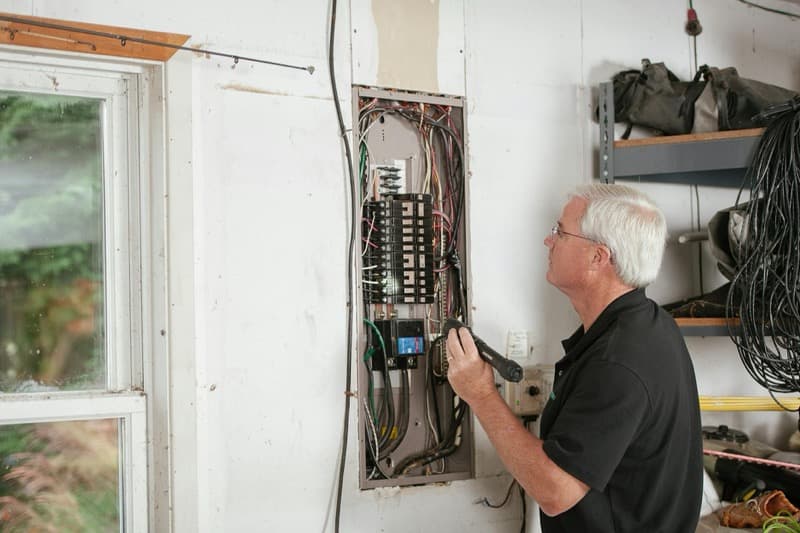
Your electrical panel is the heart of your home's electrical system — it distributes power to every circuit and protects against overloads and faults. Here are the definitive signs that it needs to be upgraded: **Physical warning signs:** **Frequently tripping breakers:** If a circuit breaker trips regularly under normal load (not from a single obvious overload event), the circuit is either undersized for current draw or the breaker is failing. Occasional trips are normal; monthly or weekly trips on the same circuit indicate a problem. **Burning smell or visible scorch marks:** Any smell of burning plastic or visible discoloration, scorch marks, or melted plastic near the panel box is a serious safety emergency. Turn off the main breaker and call an electrician immediately. **Panel is warm to the touch:** A panel box should be at or near room temperature. Warmth indicates resistance in connections — a fire hazard. **Flickering or dimming lights:** Lights that flicker when a large appliance starts (HVAC, refrigerator, washer) indicate a panel near or at capacity, with insufficient capacity to handle simultaneous loads. **Hazardous panel brands (replace immediately):** **Federal Pacific Electric (FPE) Stab-Lok:** Installed widely from the 1950s–1990s. Studies by the CPSC and independent testing found these breakers fail to trip under overload conditions at alarming rates. Many insurers refuse to insure homes with FPE panels or charge significant surcharges. **Zinsco / GTE-Sylvania:** Same era, similar failure mode — breakers don't trip reliably. If you have one, replacement is strongly recommended. **Capacity warning signs:** - No space for additional breakers (panel is "full") - Using tandem (double-tap) breakers throughout - Breakers with multiple wires connected ("double-lugged") - Still have a fuse box (pre-breaker era; should be upgraded) An electrician can evaluate your panel for approximately $150–$300 for an inspection and load calculation.

Do I need a permit for electrical work?

Most meaningful electrical work requires a permit in virtually all US jurisdictions. Here's the clear breakdown: **Always requires a permit:** - Electrical panel replacement or upgrade - Adding new circuits or branch wiring - Installing a subpanel - EV charger installation (dedicated circuit) - Generator installation with transfer switch - Any new wiring for additions or remodels - Service entrance (meter/service drop) modifications - Whole-home rewiring **Typically does NOT require a permit:** - Replacing an existing outlet or switch (like-for-like, same location) - Installing a ceiling fan where a light fixture already exists - Replacing a light fixture with same voltage/amperage - Simple appliance cord repairs **Why permits are non-negotiable for electrical work:** **Safety:** Electrical code violations are the most common cause of residential fires. The permit inspection process catches dangerous work before it's closed in a wall and creates a fire years later. **Insurance:** Many homeowners policies exclude claims from unpermitted electrical work. If your unpermitted EV charger installation causes a fire, your claim may be denied. **Home sale:** Real estate transactions in most states require disclosure of unpermitted work. Unpermitted electrical work discovered during inspection can delay or kill a sale, require correction, or require an escrow holdback. **How it works:** A licensed electrician pulls the permit (usually online; cost: $50–$300), performs the work, and schedules a city inspection. For simple work, a single final inspection is required. For larger projects (rewiring, panel upgrades), rough-in inspection (before walls are closed) plus final inspection. **Doing your own electrical work:** Many jurisdictions allow homeowner-performed electrical work on your own residence with a permit. Check your local building department — some cities require a licensed electrician regardless. Even where DIY is legal, the work still must be inspected.

How long does electrical panel replacement take?

Electrical panel replacement takes 4–8 hours for a standard 200-amp panel replacement for a two-person crew, including permit, installation, and cleanup. Utility coordination is often the main scheduling variable — see below. **The installation timeline:** **Same-day installation work:** Once a licensed electrician pulls the permit and the utility confirms they can lock/unlock the meter, the physical installation is done in 4–8 hours. The electrician removes the old panel, installs the new panel, reconnects all circuits, and labels breakers. Your power will be off for 3–6 hours during the work. **Utility coordination (the variable):** The utility company must disconnect power at the meter before work begins (in most jurisdictions) and reconnect after. Some utilities do this same-day by appointment; others require 1–5 business days of notice. This scheduling requirement — not the actual work — is why panel upgrades are often booked 1–3 weeks out. **If a new service entrance is needed:** When the meter pan or service entrance cable must also be upgraded (common when upgrading from 100 to 200 amps in older homes), the utility's timeline governs the project. Most utilities schedule these upgrades within 1–2 weeks. **Permit and inspection timing:** Your electrician files the permit before or on the day of work. The city inspector typically visits within 1–3 business days after work is complete. You're not without power during this wait — only during the actual installation. **What you should do before installation day:** - Confirm your electrician has pulled the permit (ask for the permit number) - Understand the power-off window (plan for 4–6 hours without power) - Verify which circuits will be affected - Locate and check battery-powered devices (smoke detectors, security backup) - Make sure the electrician will label every breaker on the new panel After inspection sign-off, make sure you receive a copy of the inspection approval — keep it with your home records.

What is the 30% IRA tax credit for electrical upgrades?

The Inflation Reduction Act (IRA) of 2022 created the Energy Efficient Home Improvement Credit (Section 25C), which provides a 30% federal tax credit on qualifying electrical upgrades through December 31, 2032. **What qualifies for the 30% credit:** **Electrical panel upgrades:** 30% of cost, up to $600/year, when the upgrade enables or supports other qualifying clean energy improvements (e.g., EV chargers, heat pumps, solar). The panel upgrade must be part of a qualifying "package" of improvements in many interpretations. **EV charger installation:** The separate 30C credit (Alternative Fuel Vehicle Refueling Property Credit) covers 30% of EV charger installation costs, up to $1,000/household. Geographic and income restrictions may apply under the 2023 revisions. **Heat pump installation:** 30% up to $2,000/year for qualifying air-source heat pumps. **Battery storage:** 30% with no cap under the Residential Clean Energy Credit (25D) for battery storage systems with 3+ kWh capacity. **Solar installation:** 30% of total installed cost, no cap, under 25D through 2032 (steps down to 26% in 2033, 22% in 2034). **Annual caps and limits:** The 25C credit has a combined annual cap of $3,200: $2,000 for heat pumps/heat pump water heaters, and $1,200 for other improvements (panels, insulation, windows). The cap resets each year — large projects can be phased across multiple tax years to maximize total credits. **How to claim:** 1. Keep all invoices and product certifications (ENERGY STAR, manufacturer efficiency documentation) 2. File IRS Form 5695 with your federal return 3. The credit is nonrefundable — it reduces tax liability but doesn't generate a refund if it exceeds what you owe 4. Unused credit cannot be carried forward under 25C **State incentives:** Separate from federal credits, many utilities offer rebates for panel upgrades supporting clean energy. Check dsireusa.org for state and utility programs in your area.

How do I find a licensed electrician?

Finding a trustworthy licensed electrician means verifying credentials, confirming insurance, and getting detailed written quotes. Here's the step-by-step process: **Step 1 — Verify the state license:** Electrician licensing is state-administered: - **Texas:** Licensed electrician through TDLR (tdlr.texas.gov) — verify the license type (Master, Journeyman, or Electrical Contractor) and status - **California:** C-10 Electrical Contractor license through CSLB (cslb.ca.gov) - **Florida:** Electrical Contractor license through DBPR (myfloridalicense.com) - **New York:** NYC requires Master Electrician license; upstate NY uses county licensing - **Illinois:** Licensed Electrical Contractor (LEC) through state DFPR A Master Electrician has passed rigorous exams and has the authority to pull permits and supervise work. Journeyman Electricians can perform work under a master's supervision. Ensure the contractor holds the appropriate level for the work. **Step 2 — Confirm insurance:** Request a certificate of insurance showing general liability (minimum $1M per occurrence) and workers' compensation. Without workers' comp, you can be held liable if a worker is injured at your home. **Step 3 — Verify permit-pulling history:** Ask directly: "Will you pull the permit for this job?" Any legitimate electrician will say yes without hesitation. In many states, only licensed contractors can pull permits — if the contractor suggests you pull it yourself or skip it, walk away. **Step 4 — Get itemized written quotes:** For any job over $500, get at least 3 quotes. A proper quote specifies: scope of work, materials (brand/spec of panel, wire gauge, outlet types), permit inclusion, warranty on labor (minimum 1 year), and total price. **Red flags:** - No license number provided - Offers to skip the permit "to save you money" - Quote is suspiciously low (often signals unlicensed or uninsured work) - Demands large cash deposit upfront - Can't provide a physical business address Check Google reviews and the BBB, but prioritize verified license status above all else.

Is aluminum wiring dangerous?

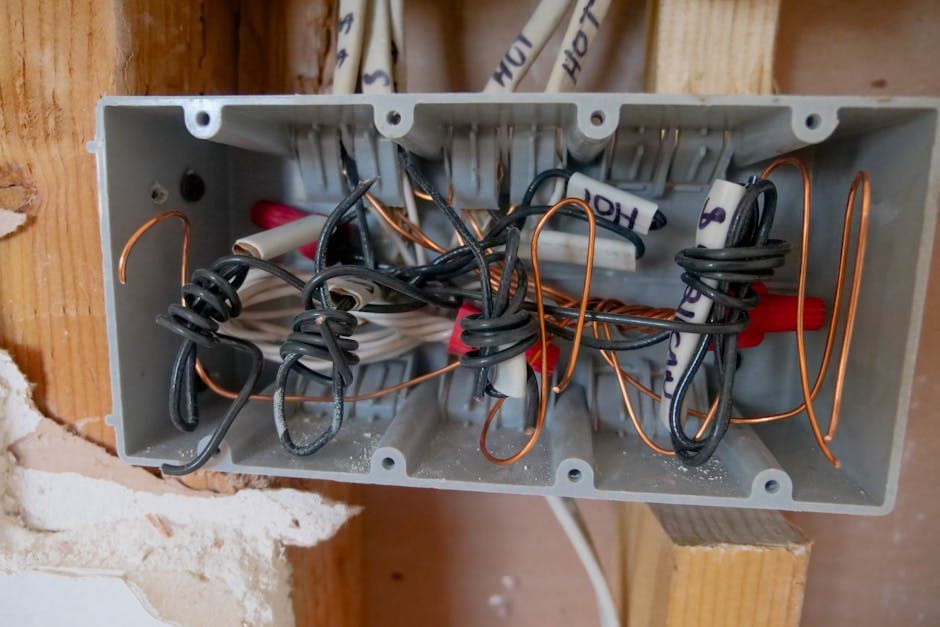
Aluminum branch circuit wiring, installed widely in US homes between 1965 and 1973 during a copper shortage, presents a real fire hazard and requires remediation. It's estimated that 2 million US homes still have aluminum branch circuit wiring. **Why aluminum wiring is hazardous:** Aluminum expands and contracts more than copper with temperature changes. Over time, this loosens connections at outlets, switches, and junction boxes. Loose connections create resistance, resistance creates heat, and heat can ignite surrounding materials. The CPSC (Consumer Product Safety Commission) has documented that homes with aluminum branch circuit wiring are 55 times more likely to have connection failures reaching "fire hazard" conditions than homes with copper wiring. **How to identify it:** Look at your electrical panel: wiring labeled "AL" or "ALUM" (vs. "CU" for copper). Wiring is silver-colored rather than copper-red. Panel label may indicate the panel era (1965–1973). **Important distinction:** Aluminum wiring for large appliance circuits (ranges, dryers, AC units) on 240V circuits is still used today and is not the same safety concern — the hazard is specific to 15- and 20-amp branch circuits (outlets and lights). **Remediation options:** **COPALUM crimp connectors (preferred method):** A certified electrician installs a special connector that permanently bonds copper pigtails to the aluminum wire at every device. This is the CPSC's recommended fix. Cost: $50–$100 per connection point; a whole-home fix typically runs $1,500–$4,000. **AlumiConn connectors:** A listed alternative to COPALUM for use by homeowners and electricians where COPALUM installers are unavailable. Less expensive than COPALUM. **Full rewire:** Replaces all aluminum branch circuits with copper. Most comprehensive solution; cost $8,000–$20,000. **Insurance implications:** Many insurers refuse coverage for homes with aluminum wiring or charge significant surcharges. Remediation typically resolves the insurance issue — get a letter from the electrician documenting the work done.

What causes a breaker to keep tripping?

A circuit breaker that trips repeatedly is telling you something specific — the cause determines whether it's a simple fix or a serious electrical hazard. Here's how to diagnose it: **1. Overloaded circuit (most common):** If the breaker trips when you run multiple high-draw appliances simultaneously — microwave + toaster, or space heater + hair dryer — the circuit is overloaded. The breaker is doing its job. Fix: redistribute loads to different circuits. Don't plug space heaters or electric cooking devices into the same circuit as other high-draw items. If you consistently can't run normal household loads without tripping, you need additional circuits added by an electrician. **2. Specific appliance fault:** If the breaker trips only when one specific appliance is plugged in, that appliance has a fault (shorted motor, frayed cord, internal failure). Test by plugging the device into a different circuit — if it trips there too, the appliance needs repair or replacement. **3. Short circuit:** A hot wire touching a neutral or ground wire causes an immediate full trip (not a gradual overload trip). Short circuits can be inside walls, inside outlet boxes, or inside appliance plugs. Signs: the breaker trips immediately, often with a slight "pop." Short circuits require an electrician to diagnose and repair — they don't go away on their own and can cause fires. **4. Ground fault:** Current finding a path to ground through moisture or a damaged wire. Most likely on circuits near water (bathrooms, kitchen, outdoors) that are protected by GFCI — the GFCI outlet itself should trip first. If a non-GFCI breaker trips on a wet-area circuit, call an electrician. **5. Failing breaker:** Breakers can mechanically fail after 15–20 years, tripping under loads they should handle. If the circuit is confirmed not overloaded and the appliances are fine, the breaker may need replacement. Cost: $150–$250 to replace a standard breaker ($35–$75 for an AFCI breaker plus labor). **Never bypass or tape a tripping breaker.** It's protecting you from something — find and fix the cause.

How much does generator installation cost?

Whole-home standby generator installation costs $8,000–$20,000 installed, with the most common residential systems (11–22 kW natural gas) running $10,000–$16,000. Portable generator transfer switch installation costs $500–$1,500 for a manual transfer switch, plus the portable generator ($500–$3,000). **Standby generator costs by size:** - 7–10 kW (essential circuits only, small home): $4,500–$8,000 installed - 11–14 kW (most 1,500–2,500 sq ft homes): $8,000–$14,000 installed - 17–22 kW (large homes, whole-home coverage): $12,000–$20,000 installed - 24–48 kW (very large homes): $18,000–$35,000 installed **What drives the cost:** **Fuel type:** Natural gas generators are most convenient (connected to utility gas line, never runs out of fuel). Propane generators require a dedicated tank ($800–$2,500 installed) and fuel management. Natural gas is preferred where available. **Transfer switch:** Every standby generator requires an automatic transfer switch (ATS), which monitors utility power and starts the generator automatically within 10–30 seconds of an outage. ATS is included in most installed packages; a quality ATS costs $600–$1,500 in parts. **Electrical service panel integration:** Generators connect to either a dedicated subpanel (essential circuits) or the full main panel (whole-home). Whole-home hookup costs more. **Pad and gas line work:** Concrete pad, weatherproof connections, and gas line extension from the meter add $500–$2,000. **Permit requirements:** Generator installation requires electrical permits and in most jurisdictions a mechanical permit for gas work. Both the electrical contractor and the gas plumber must be licensed. **Maintenance:** Annual generator maintenance (oil change, battery test, load test) runs $150–$350. Most manufacturers require annual service to maintain warranty. **IRA tax credits:** Generators do not currently qualify for federal IRA energy credits. However, they may qualify for home insurance discounts (5–15% in hurricane-prone states).

What is a Level 2 EV charger and how does it work?

A Level 2 EV charger delivers 240-volt AC power to your electric vehicle's onboard charger, which converts it to DC power for the battery. "Level 2" refers to the power delivery tier — more powerful than a standard 120V wall outlet (Level 1) but less than DC fast charging (Level 3/DCFC) found at commercial charging stations. **How it works:** The Level 2 EVSE (Electric Vehicle Supply Equipment) is essentially a smart connector that communicates with the car to confirm a safe connection before delivering power. The vehicle's onboard charger — a converter built into the car — takes the 240V AC input and manages the actual charging of the battery pack. You cannot "overcharge" an EV with Level 2 charging; the car's BMS (Battery Management System) controls the charge rate. **Charging speeds:** - **Level 1 (120V, 12 amps):** 1.4 kW — adds 3–5 miles of range per hour. Adequate for PHEVs and very low-mileage drivers. - **Level 2 (240V, 32 amps):** 7.7 kW — adds 20–25 miles per hour. Charges most EVs to 80% overnight. - **Level 2 (240V, 48 amps):** 11.5 kW — adds 30–37 miles per hour. Best for large-battery vehicles (Tesla Model S Long Range, Ford F-150 Lightning, Rivian R1T). **Connector types:** Most non-Tesla EVs use the SAE J1772 connector (the standard plug). Tesla vehicles use a Tesla-proprietary connector but include a J1772 adapter. As of 2023–2025, most new EVs (including Tesla) are transitioning to the NACS (North American Charging Standard) connector. **Smart charging features:** Most modern Level 2 chargers include Wi-Fi connectivity, scheduling (charge during off-peak rate hours), energy monitoring, and smartphone apps. Scheduling overnight charging for off-peak utility rates can reduce charging costs by 30–50% in markets with time-of-use pricing. **Installation requirement:** A dedicated 240V, 40–50 amp circuit is required. Installation requires a licensed electrician and a permit in most jurisdictions.

What does a home electrical inspection include?

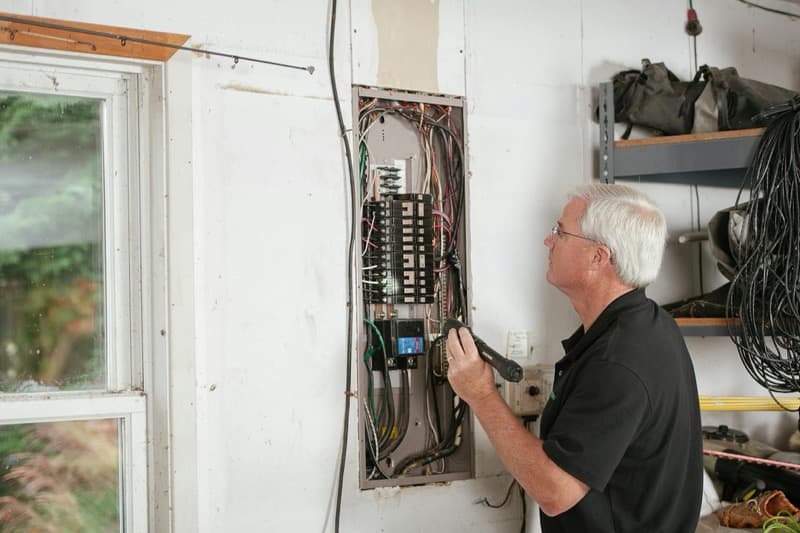
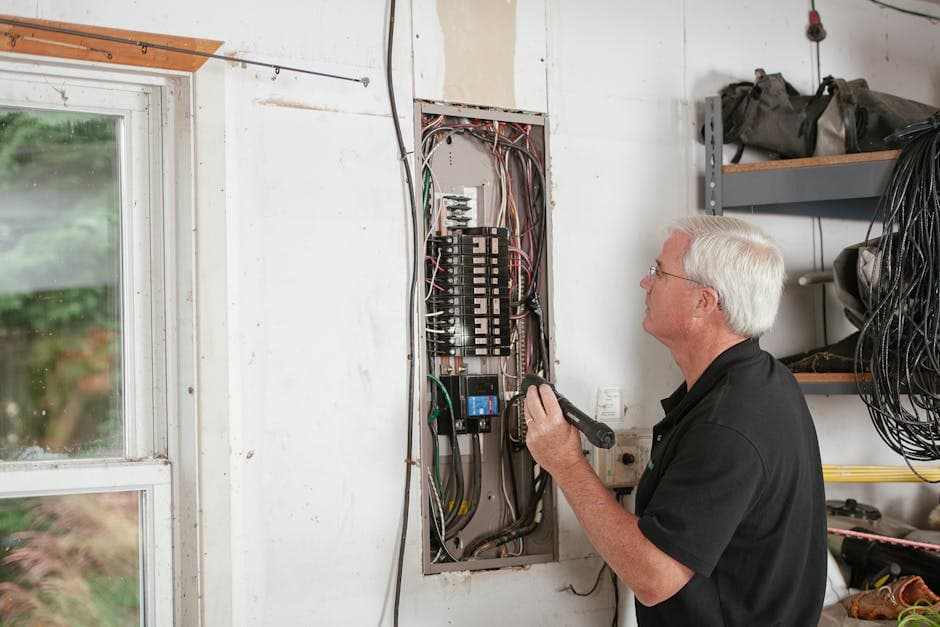
A professional home electrical inspection is a systematic assessment of your home's entire electrical system by a licensed electrician. Unlike a general home inspection, an electrical inspection involves opening the service panel, testing individual circuits, and documenting findings in a written report. **What gets inspected:** **Service panel (breaker box):** The electrician removes the panel cover and inspects: breaker sizing and labeling; double-tapping (two wires on one breaker — a code violation); signs of overheating, corrosion, or arcing inside the panel; panel brand identification (Federal Pacific Stab-Lok and Zinsco are documented fire hazards requiring replacement); service entrance ampacity (100A vs. 200A); and whether a whole-home surge protective device (SPD) is installed. **Wiring and outlets:** A sample of outlets throughout the home is tested for proper grounding, correct polarity, and GFCI/AFCI protection where required. The electrician identifies aluminum branch circuit wiring (fire hazard in 1965–1973 homes), knob-and-tube wiring (pre-1940s), or cloth-insulated wiring with deteriorated insulation. **Grounding and bonding:** The grounding electrode system (ground rods, water pipe bond) is checked for continuity and code compliance. **Service entrance:** The exterior weatherhead, meter socket, and service entrance cable are inspected for physical damage, corrosion, and weatherproofing. **Safety devices:** Smoke detector and CO detector placement is checked against NEC requirements. GFCI outlets are tested with a plug-in tester. **The written report:** A thorough electrician provides a written report categorizing all findings: - **Immediate safety hazards** — require urgent attention before use - **Code violations** — items that don't meet current NEC (may not have been violations when installed but pose risk) - **Recommended improvements** — best practice upgrades not currently required **Cost:** $150–$400 for most homes. A pre-purchase inspection on a larger home with an older electrical system may run $300–$500 with a detailed written report. **When to get one:** Before buying or selling a home; after a storm or lightning strike; when adding major appliances (EV charger, solar, hot tub, pool); if the home is 25+ years old; if your insurer has flagged the electrical system; or anytime you have unexplained tripping, flickering, or burning smells.

How do I know if my house needs rewiring?

Most homes that need rewiring give clear warning signs — some obvious, some subtle. Here is a definitive guide to identifying when rewiring is necessary vs. when a targeted repair will do. **Definitive indicators that rewiring is needed:** **Knob-and-tube wiring (pre-1940s construction):** Identifiable by ceramic knob insulators on joists and ceramic tubes where wires pass through framing. Signs in a finished home: no grounded outlets anywhere (all two-prong), very few outlets per room, no ground wire in the panel. Knob-and-tube cannot safely support modern loads, has no ground protection, and most insurers refuse coverage or charge significant surcharges. Full rewire is the standard solution. **Aluminum branch circuit wiring (homes built 1965–1973):** Look at your panel: wiring labeled "AL" or "ALUM" on circuit breakers is aluminum. Silver-colored wire in junction boxes is aluminum. This era's aluminum branch wiring expands and contracts with temperature, loosening connections over time and creating arcing fire hazards. Options: COPALUM crimp remediation (CPSC-approved, $1,500–$4,000 for a whole home) or full rewire if the system is extensively deteriorated. **Cloth-insulated wiring (1940s–1960s construction):** The rubberized cloth insulation on wires of this era dries out and becomes brittle over decades. When insulation cracks and falls away from conductors, arcing and fire risk follows. A licensed electrician can assess the condition in attics or basements where wiring is visible. **Warning signs in any home:** - **Flickering lights throughout the home** (not a single fixture — multiple rooms points to a wiring problem, not a bulb) - **Outlets that spark, are warm to the touch, or emit a burning smell** - **Breakers that trip on circuits with normal loads** — especially if the same circuit trips repeatedly - **Two-prong outlets everywhere** — no grounding means the wiring predates 1960s code updates - **Extension cords as permanent fixtures** — the home doesn't have enough circuits for modern needs - **Smoke discoloration or scorch marks** around outlets, switches, or junction boxes **Insurance and sale triggers:** Many insurers now require documentation of wiring condition for homes over 40 years old. If your insurer is surcharging, refusing renewal, or requiring an electrical inspection as a condition of coverage, rewiring is likely in your near future. **Partial vs. full rewire:** Not every older home needs a full rewire. If wiring is in good condition but you have knob-and-tube on a few circuits or aluminum wiring limited to a specific area, targeted remediation is sometimes possible. A licensed master electrician can assess the actual scope — get a written scope of work before committing.

What is a standby generator and how does it work?

A standby generator is a permanently installed backup power system that automatically starts and begins supplying electricity to your home within seconds of a grid outage — without any manual action required. Unlike a portable generator that you wheel out, connect, and start yourself, a standby generator monitors grid power continuously and operates on auto. **How the system works:** **Automatic Transfer Switch (ATS):** The ATS is wired between the utility supply and your home's electrical panel. When utility power drops below normal voltage for more than 3–5 seconds, the ATS signals the generator to start, disconnects your home from the grid, and connects it to generator power. The switchover takes 10–30 seconds. When grid power is restored, the ATS switches back and the generator shuts down automatically. This automatic disconnection from the grid is not just convenient — it is required by code. Feeding generator power back into utility lines while workers are repairing them is a known cause of electrocution. **Generator sizing:** Residential standby generators are sized in kilowatts (kW): - **7–10 kW:** Powers essential loads — refrigerator, lights, select outlets, furnace blower, internet - **14–17 kW:** Adds central AC, well pump, sump pump - **20–22 kW:** Whole-home coverage including larger homes with multiple HVAC zones - **26–48 kW:** Very large homes, EV charging during outages, commercial-level loads A licensed electrician performs a load calculation before specifying generator size — never buy a generator without this step. **Fuel type:** Most residential standby generators run on **natural gas** (connected to the home's gas service — fuel supply never runs out) or **propane** (requires a dedicated tank). Natural gas is strongly preferred where available. Propane is the fallback in rural areas. **Weekly self-test:** Most standby generators run a weekly self-test (typically Sunday morning, 15–20 minutes) to verify startup and exercise the engine. This is normal — not a sign of an outage. **Permit requirements:** Generator installation requires an electrical permit for the ATS wiring and a mechanical/gas permit for the gas line. Both the electrician and gas plumber must be separately licensed. **Standby vs. portable generators:** A portable generator costs $500–$3,000 but requires manual setup, fuel storage, and unsafe extension cord use or a manual transfer switch. A standby system costs $7,000–$18,000 installed but requires zero action during an outage. In hurricane and ice-storm-prone markets, standby systems are standard.

How long does EV charger installation take?

Level 2 EV charger installation takes **2–5 hours** for a straightforward installation where the electrical panel has available capacity and is located near the garage. More complex installations add time. **Timeline by scenario:** **Simple installation (panel in or adjacent to garage, spare 50A breaker space):** 2–4 hours total. The electrician runs a dedicated 240V/50A circuit from the panel to the garage, installs a NEMA 14-50 outlet or hardwires the Level 2 EVSE, and tests charging function. Same-day completion is typical. **Moderate installation (panel in basement/far side of house, conduit run needed):** 4–7 hours. Conduit routing through a finished basement, crawlspace, or exterior wall adds time. Still typically a single-day job. **Panel upgrade required first:** If your panel lacks capacity for a 40–50A circuit (common in homes with 100A panels), the panel upgrade must happen before the EV charger can be added. Panel upgrades take 4–8 hours and require utility coordination for the service disconnect. In practice, the panel upgrade and charger installation are often scheduled as one job over 1–2 days. **Permit and inspection timing:** Most jurisdictions require a permit for EV charger installation. The electrician files the permit before work begins. Post-installation inspection is required to close the permit — in most markets, you can use the charger before the inspection visit. Inspections are typically scheduled within 5–15 business days of filing. **Utility rebate pre-approval timing:** If you are claiming a utility rebate (Austin Energy, Xcel, LADWP, etc.), most utilities require pre-approval before installation. Submit the application 2–4 weeks before scheduling the installation. Missing this step often means losing the rebate — post-installation applications are routinely rejected. **IRA tax credit:** No pre-approval required for the federal 30C tax credit. Claim it on IRS Form 8911 when you file your taxes. Keep the invoice showing address, date, and cost. **Summary:** - Simple installation: 2–4 hours, same-day completion - Complex installation (long run, conduit): 4–8 hours - Panel upgrade + charger: 1–2 days - Permit to inspection closed: 1–3 weeks after installation

Common Electrical Questions

Do I need a permit for electrical work?

Almost all electrical work beyond replacing a like-for-like device requires a permit - including panel upgrades, new circuits, EV charger installation, and adding outlets. Your licensed electrician should pull the permit and schedule the city inspection. Unpermitted electrical work is a leading cause of house fires, voids homeowner insurance coverage, and creates legal liability at resale. Never let a contractor skip permits - if the city doesn't inspect the work, you have no protection.

How much does a 200-amp panel upgrade cost?

A 200-amp panel upgrade typically costs $1,500-$4,000 depending on your city, permit fees, and whether the utility needs to disconnect service for the work. High-cost markets like New York, Los Angeles, and Seattle run $3,000-$4,500. Older homes may also need service entrance cable replacement, adding $500-$1,000. Federal IRA provides a 30% tax credit (up to $600) for qualifying electrical panel upgrades - ask your electrician before installation.

Is there a federal tax credit for EV charger installation?

Yes - the Inflation Reduction Act (IRA) provides a 30% federal tax credit (up to $1,000 for homeowners) for Level 2 EV charger installation through 2032. Section 25C also provides a 30% federal tax credit (up to $600) for qualifying electrical panel upgrades - a separate credit you can stack with the EV charger credit. Many utilities add rebates on top: Austin Energy offers up to $1,500 for EV chargers, Xcel Energy up to $500, and LADWP up to $500. Combine federal credits with utility rebates before committing to any installation.

What is aluminum wiring and is it dangerous?

Aluminum branch wiring was used in US homes built roughly 1965-1973, when copper prices spiked. It expands and contracts more than copper, causing wire connections to loosen over time - creating arcing that can ignite surrounding framing. The US Consumer Product Safety Commission considers it a fire hazard. If your home was built in this era, have a licensed electrician inspect all outlets and switches immediately. Remediation options include COPALUM crimping (approved by CPSC) or full rewiring - do not delay.

How do I know if my electrical panel needs to be replaced?

Replace your panel if: it is 30+ years old; rated under 200 amps (inadequate for EV charging, solar, or modern appliances); breakers trip frequently or won't reset; you smell burning or see scorch marks near the panel; you have a recalled brand (Federal Pacific Stab-Lok, Zinsco/Sylvania) - both have documented fire risks. A licensed electrician can assess your panel condition in under an hour and provide a written cost estimate.

How much does whole-home generator installation cost?

A standby generator installation typically costs $3,500-$12,000 depending on generator size (7kW to 22kW), fuel type (natural gas vs propane), and whether a new transfer switch is required. The generator must be installed by a licensed electrician who pulls the required permit, coordinates gas utility work, and schedules the city electrical inspection. In hurricane and ice-storm-prone markets, expect 4-8 week backlogs after major outage events - install before you need it.

What causes circuit breakers to keep tripping?

Breakers trip for three reasons: overloaded circuit (too many devices on one circuit); short circuit (live wire contacts neutral or ground); or ground fault (current leaks to ground through an unintended path). Frequent tripping is a warning sign - never tape a breaker on or replace it with a higher-rated breaker. A licensed electrician can identify the root cause in 30-60 minutes and resolve it safely with a dedicated circuit, arc-fault protection, or a wiring repair.

How do I find a licensed electrician near me?

In most states, electricians are licensed by the state contractor licensing board - verify license status directly on the state website before hiring anyone. A qualified electrician carries a state license, general liability insurance (minimum $1M), workers' compensation, and always pulls required permits for all work. Beware of door-to-door solicitors and anyone who quotes unusually low prices - electrical work that skips permits or uses unlicensed labor is both dangerous and illegal. ProvenQuote verifies license, insurance, and reviews for every electrician in its network.

When does a home need to be completely rewired?

A full rewire is necessary when your home has knob-and-tube wiring (pre-1940s construction) — no ground wire, deteriorating cloth insulation, and insufficient capacity for modern loads. Aluminum branch circuit wiring (1965–1973 homes) is a documented fire hazard and often requires either COPALUM remediation or full rewire. Signs that indicate rewiring is needed: multiple circuits on one breaker, frequent unexplained trips, flickering throughout the home (not a single fixture), burning smells without an obvious source, or an insurance company declining to renew coverage due to wiring type. A full rewire for a 1,500–2,500 sq ft home typically costs $9,000–$20,000. It requires permits and multiple city inspections (rough-in before walls close, final after completion).

When do I need a home electrical inspection?

Get a professional electrical inspection when: buying or selling a home (before and after is ideal); your home is 25+ years old and has never had one; you have flickering lights, warm outlets, or breakers that trip repeatedly; your insurer is flagging or surcharging the electrical system; you plan to add an EV charger, solar system, or hot tub; or the home was built 1960–1975 (aluminum wiring era). A written inspection report costs $150–$350 and documents all hazards — from recalled panel brands to missing GFCI protection. It is the single most cost-effective electrical investment in an older home. All findings are categorized by severity: immediate safety hazards vs. recommended improvements.

What size standby generator do I need for my home?

Generator sizing depends on what loads you want to power during an outage. Essential-circuits-only (refrigerator, lights, select outlets, well pump): a 7–10 kW unit covers most homes under 2,000 sq ft. Whole-home coverage including central AC: 14–22 kW is standard for most 2,000–4,000 sq ft homes. Homes with multiple HVAC zones, electric vehicle charging, or pool equipment: 22–32 kW. Natural gas generators are preferred (utility gas supply never runs out), though propane is the only option in areas without natural gas service. A licensed electrician calculates your specific critical load before sizing — never buy a generator before getting this calculation. Automatic transfer switches (ATS) are required by code and add $600–$1,500 but are essential for safety.

For Electrical Contractors

Own Your City.
Lease Your Market.

ProvenQuote features one exclusive contractor per city - dedicated, licensed, and ranked first across your local market. No shared leads. No bidding wars. Just direct homeowner requests.

1
Contractor per city
0
Shared leads
Free
Quote requests
24h
Setup time

For Businesses & Brands

Reach clients actively researching electrical work - panel upgrades, EV chargers, generators, aluminum wiring, and emergency service.

Advertise with us →

Local Electrical Professionals

Find a Pro in Your City

Each city hub features one dedicated, exclusive electrical contractor. Enter your city or ZIP to find yours.

Live Markets