Whole-home rewiring is one of the largest electrical projects a homeowner can undertake, and also one of the most misunderstood. Homeowners often hear that their home 'needs to be rewired' without a clear understanding of what that actually involves, when it is genuinely necessary versus when targeted repairs are sufficient, what it costs, and how disruptive it is to daily life. This guide answers all of those questions in specific terms. The short version: rewiring is genuinely necessary in fewer situations than many contractors suggest, but when it is necessary — particularly for knob-and-tube wiring in poor condition or widespread aluminum branch circuit wiring — it is the right call and an investment that pays dividends in safety, insurability, and home value.
When Is a Full Rewire Actually Necessary?
A full rewire is genuinely necessary in the following situations. First: knob-and-tube (K&T) wiring in poor condition — degraded insulation, improper modifications, buried under attic insulation, or with a documented history of problems. Not all K&T requires immediate replacement; a licensed electrician inspection is needed to assess actual condition. Second: aluminum branch circuit wiring that is extensive and whose connections are in poor condition — particularly if COPALUM or AlumiConn remediation is impractical due to the number of connections or the condition of the wiring. Third: a home that has had repeated electrical problems (multiple circuit failures, breakers that trip frequently despite not being overloaded, outlets that stopped working) that point to systemic wiring issues rather than isolated defects. Fourth: a home that is being fully renovated with walls opened throughout — if walls are already open for a major remodel, rewiring at the same time is the most cost-effective opportunity. Fifth: a home addition that requires a new electrical system, and the existing wiring is so poor that extending it would compromise the new work. A full rewire is NOT automatically necessary because the home is old, because it has two-prong outlets, or because there is some K&T or aluminum wiring present but in good condition.
Knob-and-Tube Wiring: Assessment Before Action
Knob-and-tube wiring was installed in most American homes built from approximately 1880 through 1950. It runs as separate hot and neutral conductors through ceramic knobs (which hold the wire away from framing) and ceramic tubes (which protect the wire where it passes through framing). There is no ground wire and no protective sheathing around the conductor bundle. K&T is not inherently dangerous when it is intact, properly supported, and has not been modified. The hazards arise from: insulation degradation (the rubber and cloth insulation used on original K&T becomes brittle and cracked over decades), improper splices added by previous homeowners or contractors who tapped into K&T circuits without proper connections, K&T buried under attic insulation (added decades after the home was built) which causes the conductors to overheat since the original design assumes free-air cooling, and circuits where the fuse was replaced with an oversized fuse (allowing the wire to carry more current than it was designed for). Get a thorough inspection by an electrician experienced with K&T before deciding on remediation versus rewire. Some K&T homes are in better shape than others, and the inspection will determine the actual scope of work needed.
Cost by Home Size (2026 National Averages)
- 800–1,200 sq ft (small ranch or bungalow): $4,000–$8,000
- 1,200–1,800 sq ft (typical postwar home): $7,000–$13,000
- 1,800–2,500 sq ft (medium family home): $11,000–$18,000
- 2,500–3,500 sq ft (larger family home): $16,000–$24,000
- 3,500+ sq ft or multi-story: $22,000–$35,000+
- Panel upgrade (usually included or add-on): $2,000–$4,000
- Drywall repair/patching by separate contractor: $1,500–$5,000 depending on access needed
What the Process Involves, Phase by Phase
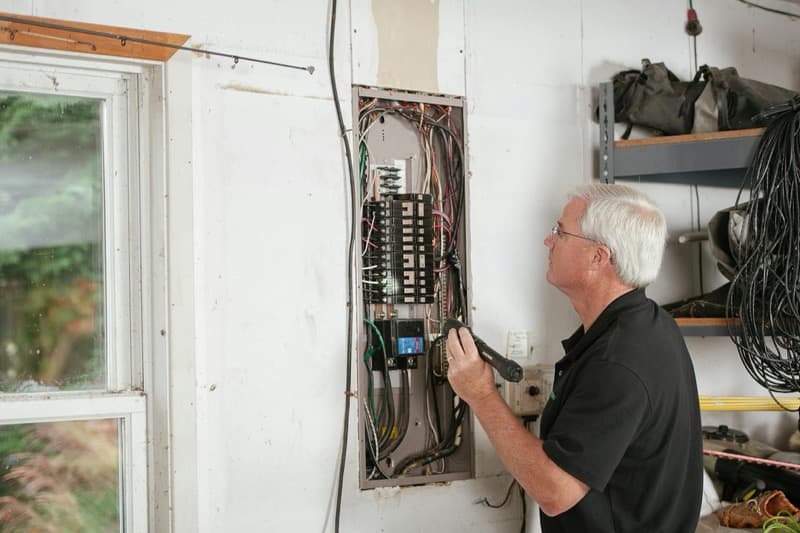
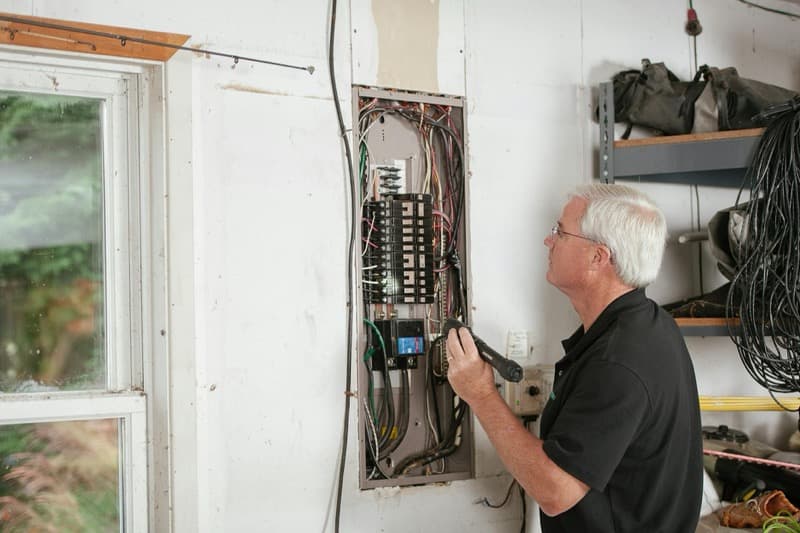
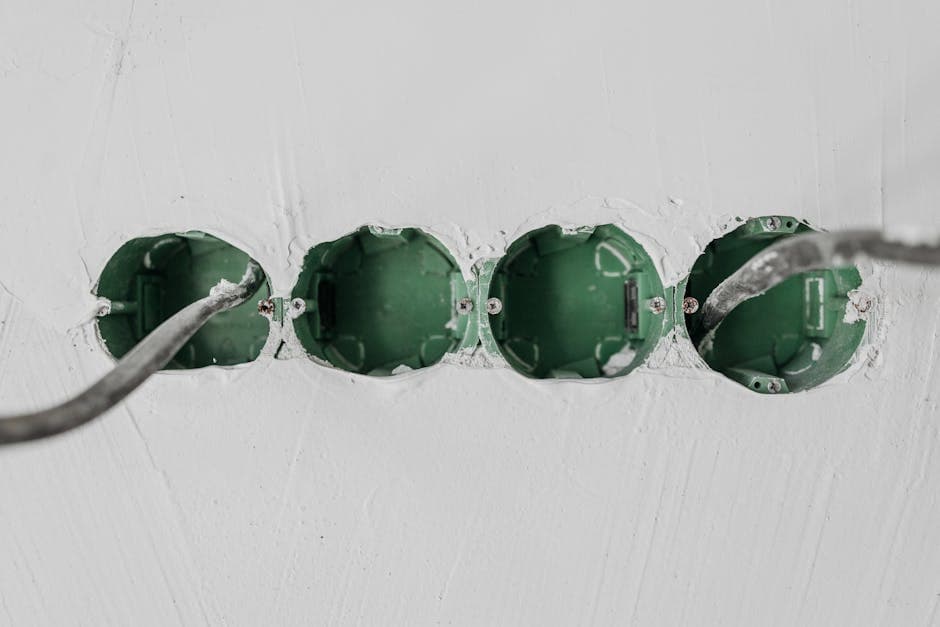
A whole-home rewire typically proceeds in five phases. Phase 1 — survey and planning: your electrician surveys the home, identifies all circuits and their routes, plans the new circuit layout (adding circuits for modern code compliance: AFCI, GFCI, dedicated appliance circuits), and provides a detailed scope and quote. Phase 2 — demolition and rough-in: existing wiring is removed or abandoned (old wire that cannot be pulled out cleanly is often abandoned in walls with a note in the panel). New wire is run from the panel box through walls, floors, and ceilings. In homes with plaster walls or tile finishes, electricians use fishing techniques to minimize drywall cuts. In homes with open framing access (basement, crawlspace, attic) or homes where walls are already open for renovation, this phase is much faster and cheaper. New electrical boxes are installed for all outlets, switches, and fixtures. New breakers are installed in the panel. Phase 3 — inspection rough-in: the electrician calls for a rough-in inspection before walls are closed. The inspector verifies wire gauges, stapling, protection at penetrations, and box installation. Phase 4 — finish work: cover plates, outlets, switches, and fixtures are installed. Circuit labels are finalized on the panel. The electrician may do final AFCI/GFCI testing. Phase 5 — final inspection: the city inspector returns for a final inspection of all visible work before the permit is closed out.
How Disruptive Is a Whole-Home Rewire?
Disruption is one of the most common questions homeowners have about rewiring, and the honest answer is: it varies significantly based on wall construction and whether the home is occupied. For a home with finished drywall walls where the electrician must work through the existing finish: expect some holes and cuts in walls and ceilings (typically 2–4-inch holes at each outlet and switch location, plus cuts above doors and in ceilings where wire must cross). These are patched by a drywall contractor after the electrical work is complete — this cost should be in your rewire budget. For a home with open framing, unfinished basement and attic access, or where walls are being opened for other renovation: much faster and less expensive electrical work, less patching. Plan for no power to portions of the house during the project. Professional electricians restore power to completed sections at the end of each work day. Most homeowners can remain in the home during a rewire with some inconvenience. For a large home or a comprehensive rewire (including attic and basement), 2–5 days without full power to some areas is common. If you have critical medical equipment or cannot tolerate any power interruption, plan for temporary housing during the most intensive work days.
Insurance Implications: Many homeowners discover during the rewire quoting process that their current insurer will not renew their policy with K&T or aluminum wiring, or has a surcharge on the policy. A full rewire eliminates this issue and may qualify you for a lower homeowner insurance premium. Ask your insurance agent to provide a quote both before and after the planned rewire — the premium difference is part of the true return on investment calculation.
How to Get the Most Accurate Quote
Whole-home rewire quotes can vary by $5,000–$10,000 for the same home because of different assumptions about scope and access. To get an accurate comparable quote from multiple electricians, provide each contractor with the same information: the square footage and number of floors, the type of existing wiring (K&T, aluminum, old romex), whether attic, basement, and crawlspace access is available, any specific problem areas you are aware of, your current panel location and whether panel replacement is planned, and the number of planned new circuits (EV charger, dedicated home office circuit, etc.). Ask each contractor to walk you through their quote line by line and explain any scope exclusions. The question 'what is NOT included in this price?' is often more revealing than 'what is included?' Common exclusions: drywall patching, permit fees (sometimes), service entrance work, and low-voltage wiring (structured wiring for ethernet, security, and AV systems).