Between approximately 1965 and 1973, builders wired millions of American homes with aluminum instead of copper for branch circuit wiring. The switch happened because copper prices spiked during that period, making aluminum — which conducts electricity adequately — an economically attractive alternative. The problem became apparent over time: aluminum expands and contracts more than copper with temperature cycles, and it oxidizes differently. These properties cause aluminum connections at outlets, switches, and fixtures to loosen over decades of heating and cooling cycles. Loose connections arc, generate heat, and start fires inside wall cavities where they are invisible and difficult to detect. The Consumer Product Safety Commission (CPSC) estimates that homes with aluminum branch circuit wiring are 55 times more likely to have a fire hazard condition than homes wired with copper. That is not a typo — 55 times. If your home was built between 1965 and 1973, identifying whether you have aluminum wiring and taking appropriate action is one of the most important safety decisions you can make as a homeowner.
How to Identify Aluminum Branch Circuit Wiring
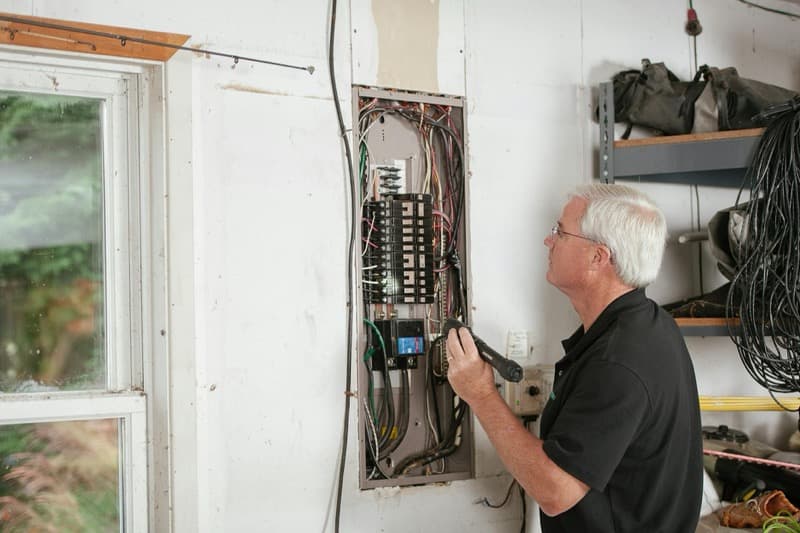
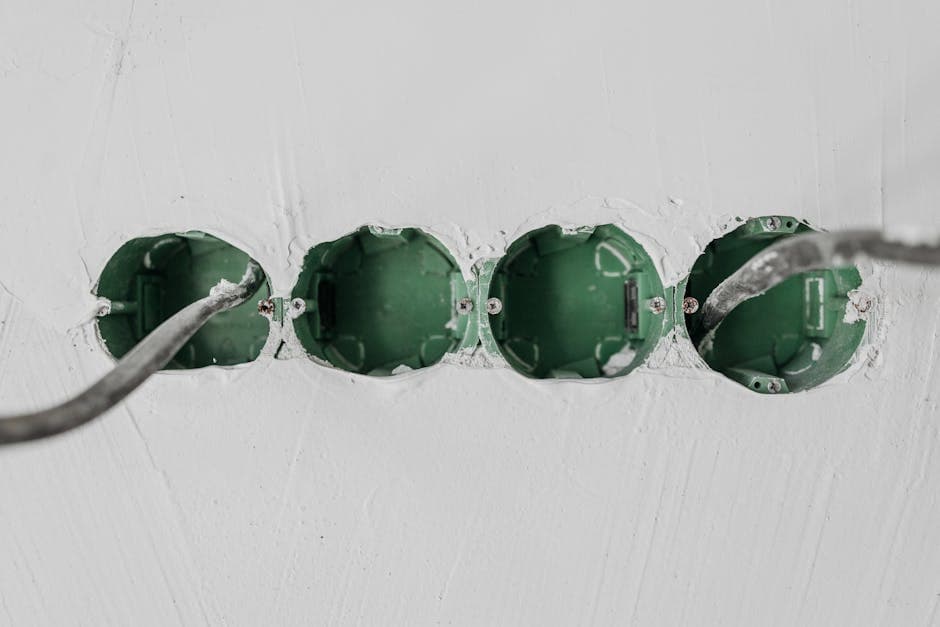
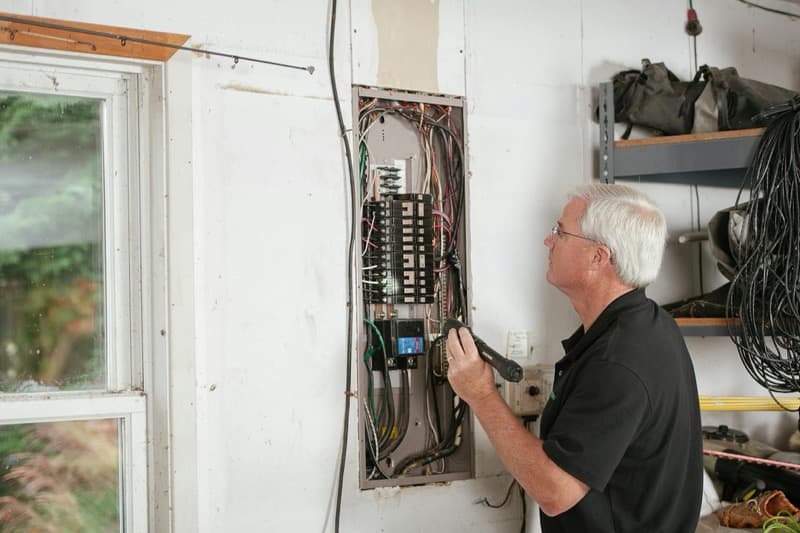
Several methods can confirm whether your home has aluminum branch circuit wiring. The most reliable is to examine the wiring at your electrical panel: aluminum wiring will have 'AL' or 'ALU' printed on the wire jacket. If you see silver-colored wire (aluminum) rather than orange-red wire (copper) at your panel connections, that is also a clear indicator. At individual outlets and switches, a licensed electrician can remove cover plates and examine the wiring at the terminal screws — aluminum-wired connections often show white or gray oxidation around the terminal connections rather than the clean copper-toned connection you see with copper wire. You may also see warm or discolored cover plates on outlets and switches, or notice a faint ozone or burning smell near receptacles. Do not try to diagnose this yourself beyond visual inspection — always have a licensed electrician confirm and evaluate the extent of the issue. Note that aluminum wiring for service entrance cables (the large wire running from the meter to your panel) and for 240-volt circuits (range, dryer, HVAC) is still standard practice and is generally not the same safety concern as aluminum branch circuit wiring. The hazard is primarily in the 15 and 20-amp branch circuits serving outlets and lights.
The Two CPSC-Approved Repair Methods
The Consumer Product Safety Commission has published guidance on two methods for safely remediating aluminum branch circuit wiring. Method one is COPALUM crimping: a specially designed crimp connector (made by AMP/TE Connectivity, trademarked as COPALUM) creates a permanent, cold-welded connection between the aluminum wire and a short copper pigtail at every connection point — every outlet, switch, fixture, and junction box in the home. The copper pigtail connects to the device, and the COPALUM connector maintains a gas-tight, non-oxidizing bond at the aluminum-to-copper junction. This method is CPSC-approved and is accepted by most insurance companies as a complete remediation. The limitation: only licensed, specially trained electricians can perform COPALUM remediation, and the connectors are more expensive than standard wire nuts. Cost ranges from $2,000 to $5,000 for an average-sized home, depending on the number of circuits and connections. Method two is full rewire with copper: replacing all aluminum branch circuit wiring with copper. This is the most complete solution and eliminates the aluminum wiring entirely. It involves opening walls to run new wire, replacing outlets and switches, and typically a panel upgrade. Cost ranges from $8,000 to $20,000 depending on home size and accessibility.
AlumiConn Connectors: The DIY-Adjacent Option
A third option that is sometimes offered (and sometimes attempted by non-licensed electricians) is the use of AlumiConn connectors — small multi-port aluminum-to-copper connection devices that pigtail copper extensions onto aluminum wire ends at each outlet, switch, and fixture. AlumiConn is listed by Underwriters Laboratories (UL) and was accepted by the CPSC as an acceptable alternative to COPALUM crimping in 2011. Unlike COPALUM, AlumiConn installation does not require specialized training or equipment, which has made it more widely available. However, the quality of AlumiConn remediation depends entirely on proper installation technique — the connectors must be properly torqued, the wire ends properly stripped and cleaned, and the connection properly sealed. Poorly installed AlumiConn connectors can create new hazard points. The CPSC states that AlumiConn is an acceptable solution but recommends COPALUM as the preferred method. If your electrician is proposing AlumiConn, verify their experience with aluminum wiring remediation specifically — it is a specialized skill.
Insurance Implications of Aluminum Wiring
This is where many homeowners first learn they have an aluminum wiring problem. During a home purchase inspection, underwriting review, or policy renewal, your insurance company may identify aluminum wiring and respond in one of three ways: issuing a notice requiring remediation within 30–90 days or coverage will be cancelled, charging a higher premium for continued coverage with unremediated aluminum wiring, or refusing to write a new policy at all. Insurance company policies vary significantly. Some will write policies on homes with documented COPALUM or AlumiConn remediation at standard rates. Others require a full rewire. A few refuse any coverage regardless of remediation. If you are buying a home with aluminum wiring, contact your insurance broker before closing — do not assume you can obtain coverage on your existing carrier's terms. Get written confirmation of insurability and any required conditions before removing your inspection contingency. Sellers who know about aluminum wiring should disclose it; buyers should verify.
Quick Identification Fact: Aluminum branch circuit wiring is most common in homes built 1965–1973. The states with the highest concentration are those with active homebuilding during that period: California, Texas, Florida, Ohio, Michigan, Illinois, and New York. If your home falls in this era and region, have it inspected even if you have not noticed symptoms — the hazard often exists silently until a connection fails.
Costs and Next Steps
If a licensed electrician confirms aluminum branch circuit wiring in your home, your next step is to get two or three quotes from electricians who specifically advertise aluminum wiring remediation. Not all electricians have experience with this work, and it requires familiarity with the COPALUM or AlumiConn techniques and access to the proper materials. Ask each electrician which method they recommend and why, what the warranty is on their work, and whether they will provide documentation for your insurance company. Documentation is critical — get a written report confirming the remediation method, the number of connection points addressed, and the date of completion. Your insurer will want this to update your policy. If the cost of remediation is a factor in a home purchase negotiation, it is a legitimate repair credit item — get a quote before closing and use it as leverage if appropriate.